Building bridges of trust and understanding through community engagement and cross-border initiatives.
The fourth pillar is to promote people-to-people relations between Bhutan and Nepal by promoting cultural exchanges, religious tourism, and encouraging commercial engagement.
Nepal and Bhutan are ancient neighbors, sharing a continuous history of at least 1,200 years. It is believed that Guru Padmasambhava traveled to the Bumthang Valley in central Bhutan after completing his meditation at Halesi Mahadev in Khotang District of central Nepal.
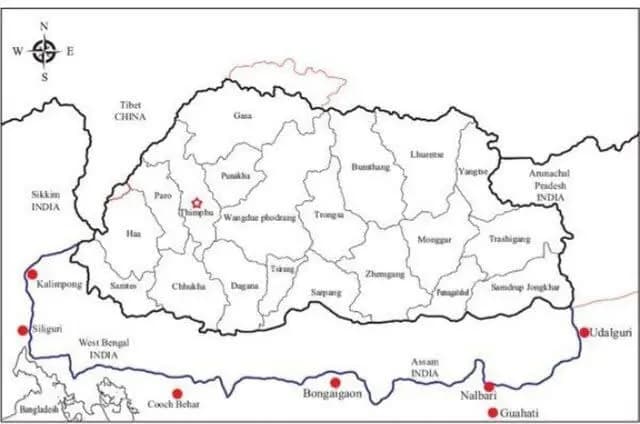
Padmasambhava is believed to have walked through the Phalaylung Pass in eastern Nepal into present-day Samtse District of Bhutan, making a brief stop at Bukay Dam in the Phuentsholing area. He then continued through Kalikhola, Sarpang, Goangdara, and Nobji-Kharphu, eventually reaching the Bumthang Valley via present-day Trongsa Dzongkhag. Relics associated with his brief stay are found along this route and are still worshipped today as Mahadevsthans or Mani by the Lhotsampa community.
From this period onward, people-to-people relationships between the two Himalayan communities began to take shape. Formal state-to-state relations developed during the time of Shabdrung Ngawang Namgyal, the founding father of Bhutan, and Shri Ram Shah, the ancestor of the Shah dynasty in Nepal. During the British colonial period, British India encouraged large-scale migration of Nepalis to Bhutan following the signing of the Treaty of Sinchula in 1865.
Nepal also played an instrumental role in recognizing the establishment of the Wangchuck Dynasty in Bhutan in 1907, when Kazi Ugyen Dorji led a five-member delegation to Kathmandu in 1903, which included three members from the Lhotsampa community.
Recent political developments have disrupted this historically cordial relationship between the two Himalayan nations. In this context, the Bhutan–Nepal Foundation seeks to help reset and strengthen bilateral relations by fostering people-to-people engagement, with a focus on cultural activities and economic cooperation, which together form the fourth pillar of the Foundation's objectives.
Facilitating cultural programs that bring together communities from Bhutan and Nepal to share traditions, art, and heritage.
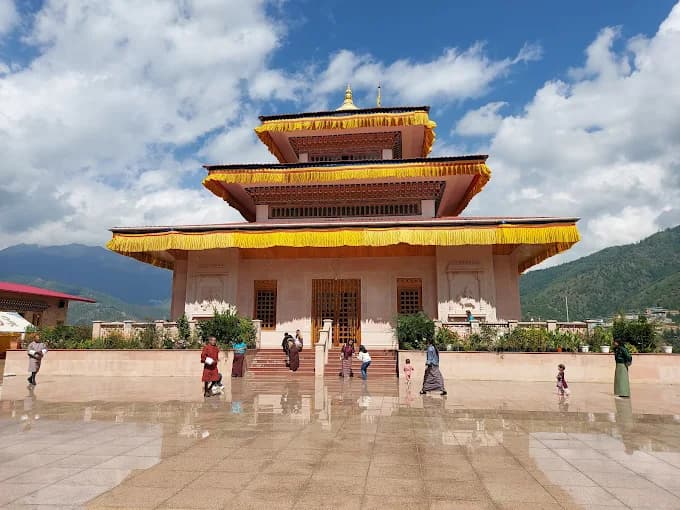
Supporting pilgrimage and religious tourism that connects the spiritual traditions of both nations across the Himalayas.
Encouraging trade and economic cooperation that benefits communities on both sides of the border.
Building grassroots connections through local events, workshops, and collaborative community projects.
Direct people-to-people contact builds understanding and trust that transcends political boundaries.
Celebrating the deep cultural and spiritual connections that have linked Bhutan and Nepal for centuries.
Creating sustainable economic relationships that benefit communities in both countries.
Establishing connections that will continue to grow and strengthen for generations to come.
Through the Bhutan–Nepal Foundation, we aim to promote responsible and culturally respectful pilgrimage, travel, and exchange in the region. This initiative supports spiritual well-being, cultural understanding, academic inquiry, and people-to-people connections.
Guided visits to major Hindu and Buddhist pilgrimage sites, supporting spiritual practice, cultural learning, and local communities.
Organized pilgrimages to important religious and historical sites connected to Hinduism and Buddhism, promoting cross-border cultural and spiritual exchange.
Subject to legal and policy frameworks, facilitating cultural and spiritual visits to sacred sites in Bhutan, promoting understanding and respectful engagement.
The Bhutan Nepal Foundation encourages cultural tourism and spiritual retreats. We have developed limited infrastructure to host short-term or long-term guests in residence at our complex in Dhaijan.
In addition to organized travel, the Foundation can accommodate requests for:
For tours, retreats, and accommodation requests, contact Anita Rizal
[email protected]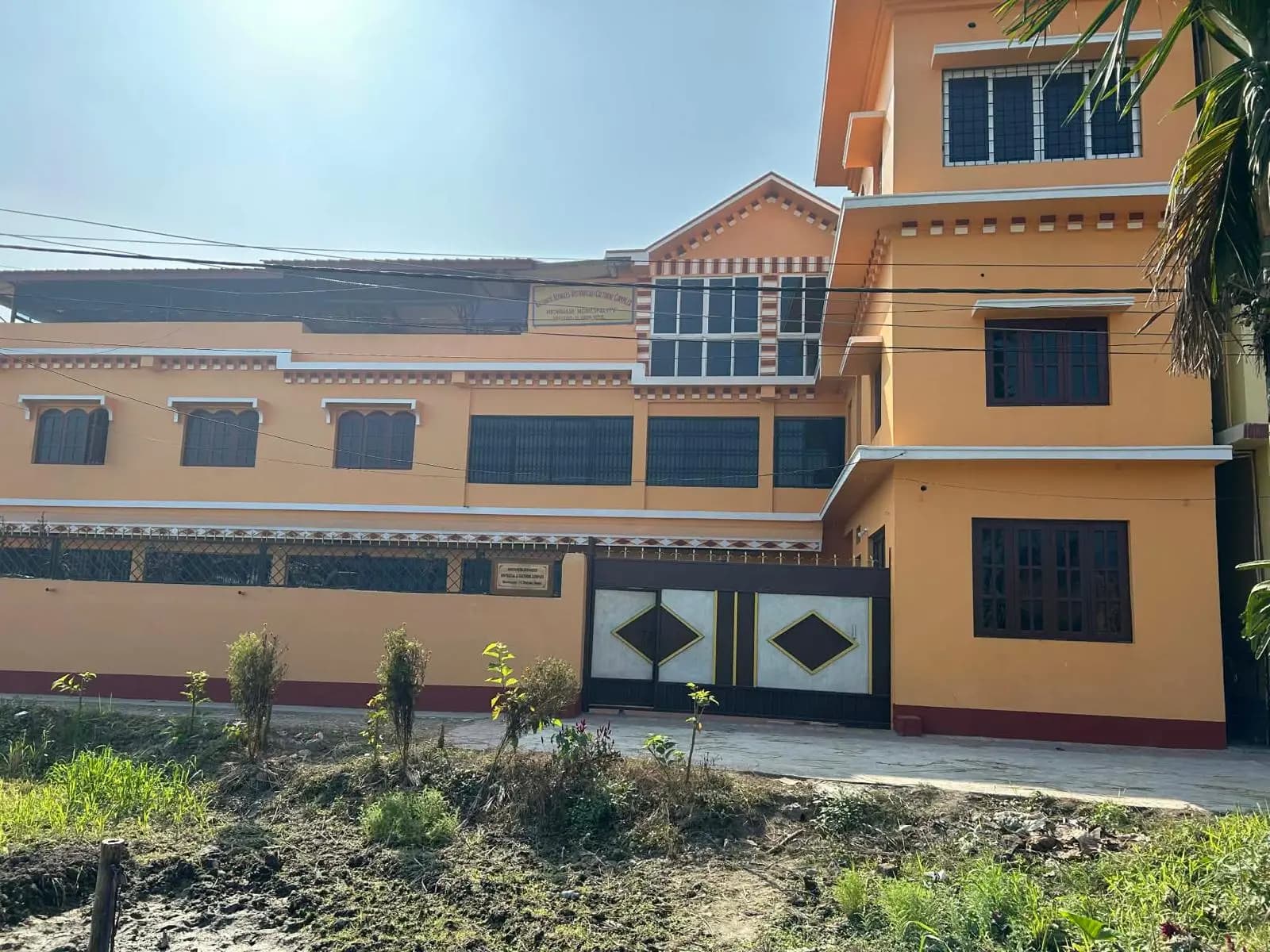
Whether you're interested in cultural exchange programs, organizing community events, or simply learning more about Bhutan-Nepal relations, we welcome your participation in our people-to-people initiatives.

Whether through membership, volunteer work, or supporting our initiatives, your involvement helps us honor the past while building bridges for the future.