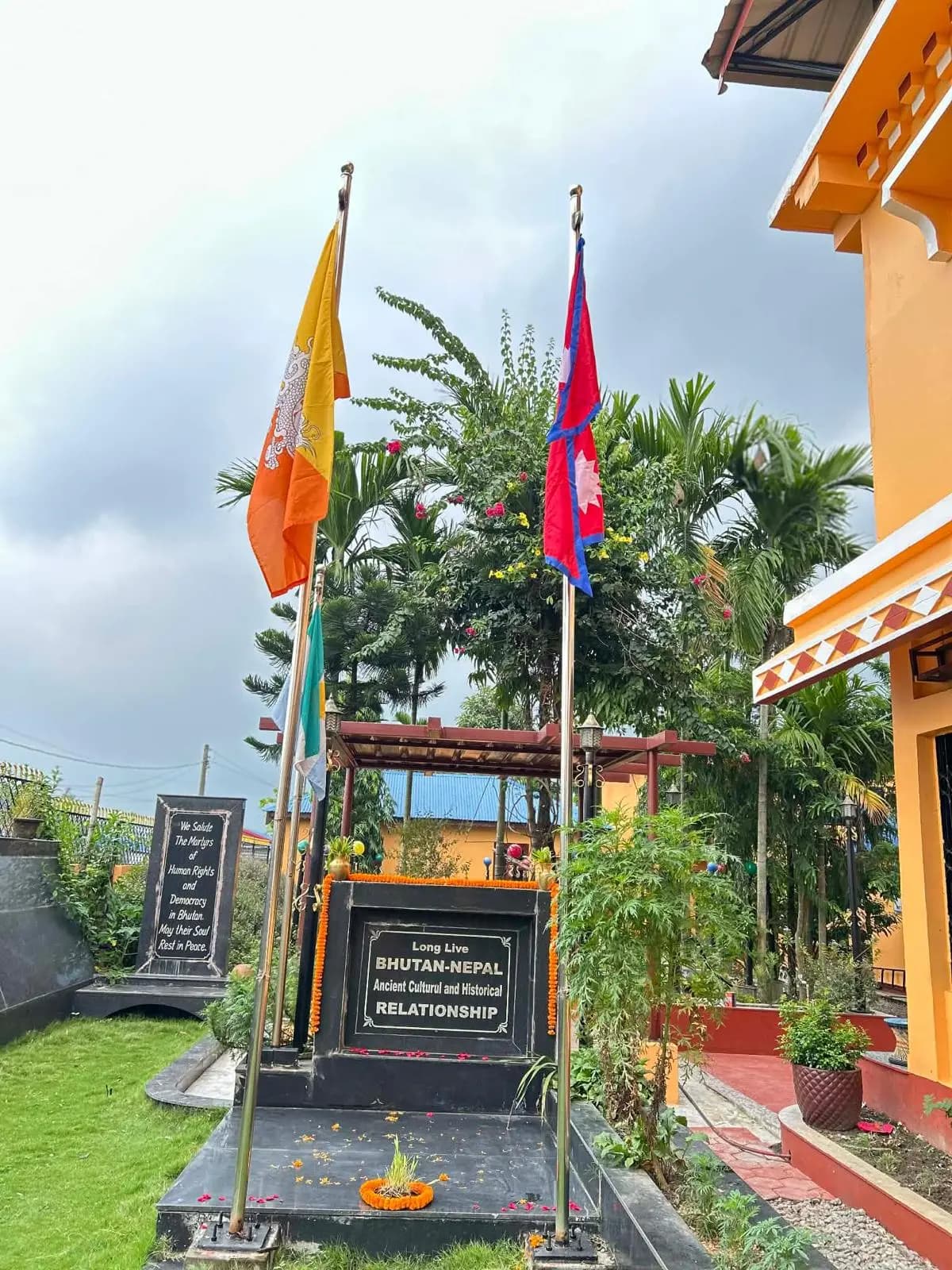
Bhutanese Refugee Historical & Cultural Complex—memory preserved in stone and image.
The second pillar is to maintain the museum, honoring memory, culture, and lived experiences through artifacts, photographs, and artistic expressions.
The museum has many items that cover issues related to the Lhotasampa population of Bhutan. It is broadly categorized into different sections to address the issues coherently and concisely, providing meaningful messages about the activities that took place in Southern Bhutan and in the refugee camps.
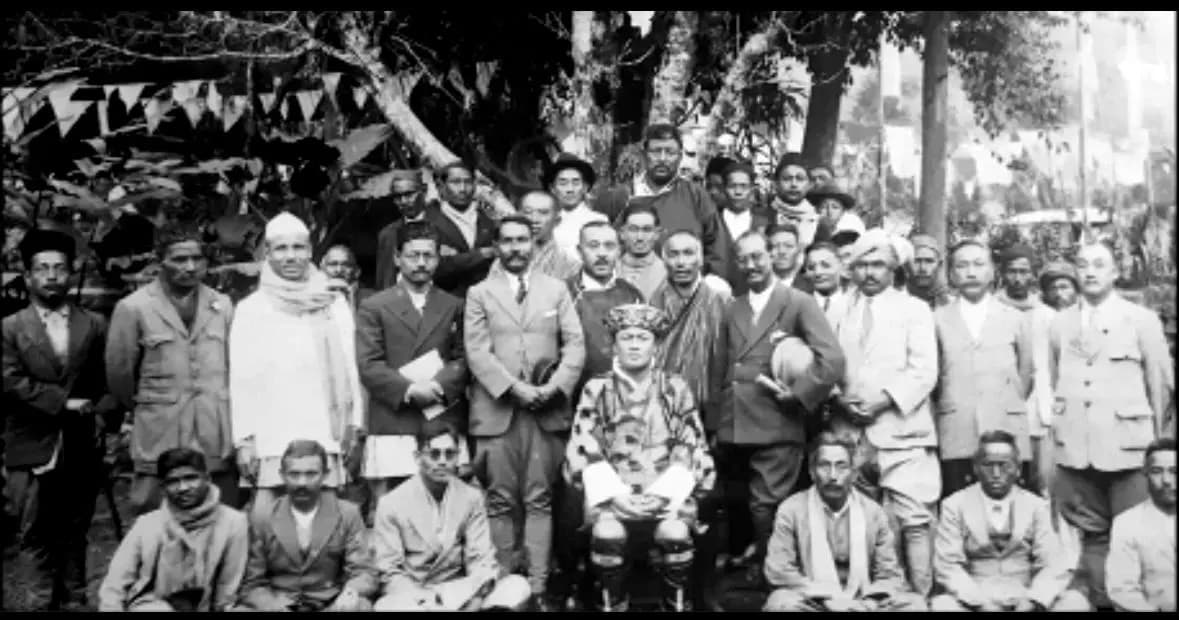
South Bhutan was administered from Bhutan House, Kalimpong, until 1958, the year Bhutan passed its first Citizenship Act to recognize the overwhelming Nepali population that inhabited southern Bhutan. South Bhutan was administered as a separate unit by appointed members of the Dorji family, who were more often than not referred to as theen sarkar. The first and second kings ruled southern Bhutan from Central Bhutan, giving the Dorji family power for day-to-day administration. In turn, the Dorji family appointed administrative assistants from among elite members of Nepali families or loyal individuals to the monarchy, particularly from Haa District. The third king, Jigme Dorji Wangchuck, transferred the administrative work from Bhutan House, Kalimpong, to Tashichodong in the 1960s and governed South Bhutan directly from the palace, as was done in eastern, central, and western Bhutan.
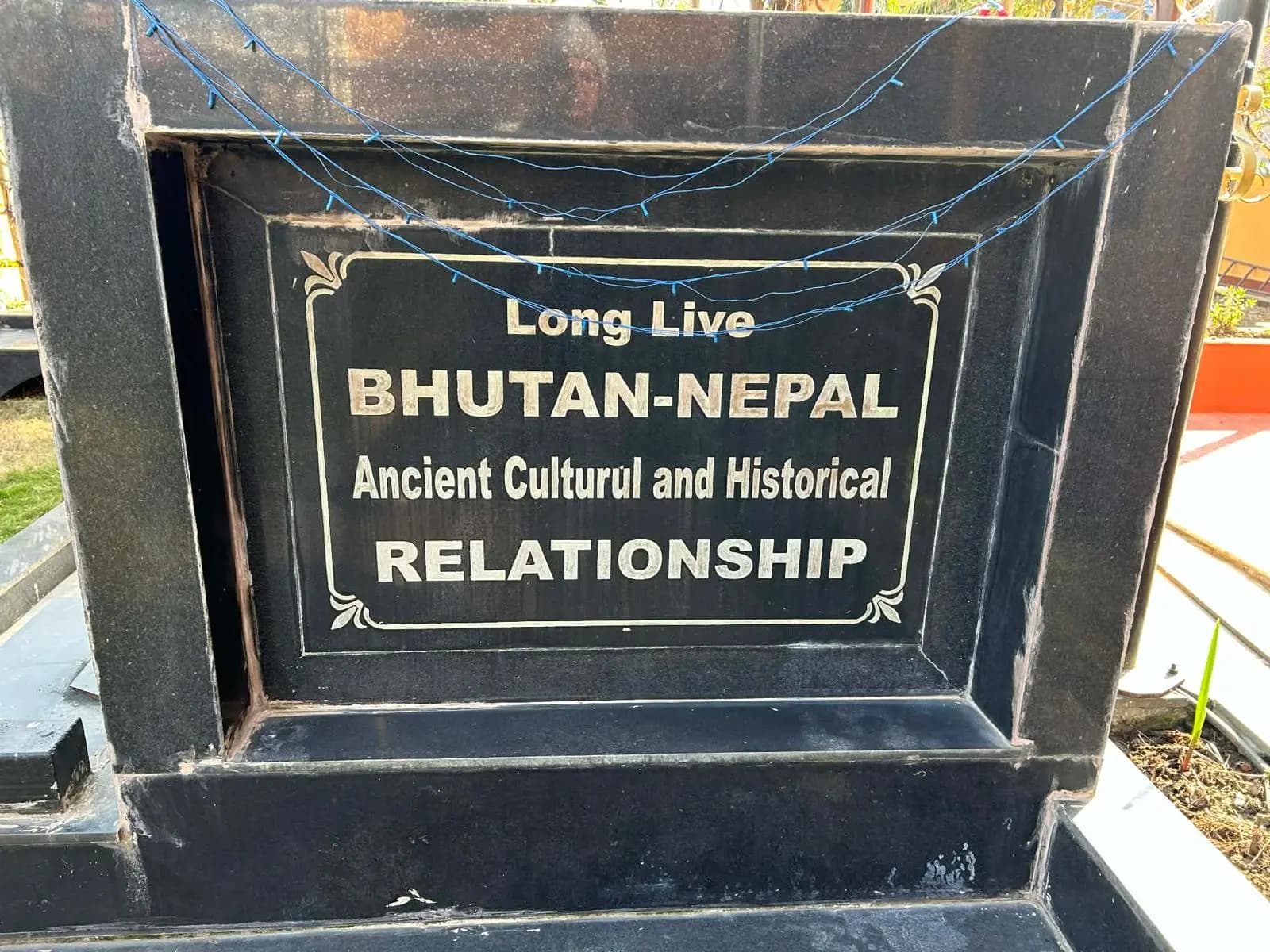
Bhutan and Nepal are ancient neighbors with similar cultural, religious, and physical settings. To uphold this friendship, a dedicated stone plaque is installed with the national flags of Bhutan and Nepal fluttering year-round to symbolize the immortal friendship between the two countries. Along with it are stone plaques engraved with the names of those who lost their lives during the agitation of the 1990s, especially from the earlier period in South Bhutan. The purpose of such displays is to preserve the history of unfortunate events in South Bhutan and prepare the ground for national reconciliation.
The repeated eruptions of the Southern Problem have compelled individuals to stand for justice and sacrifice their comfortable lives in Bhutan. The 1990s episode not only created a refugee exodus from South Bhutan but also triggered political and human rights movements, leading to the establishment of a controlled democracy with the king as the constitutional head in 2008. The museum pays homage to the leaders who died in the struggle, although many individuals and organizations have contributed to that effort. The museum management will update the list for display on its website as and when appropriate.
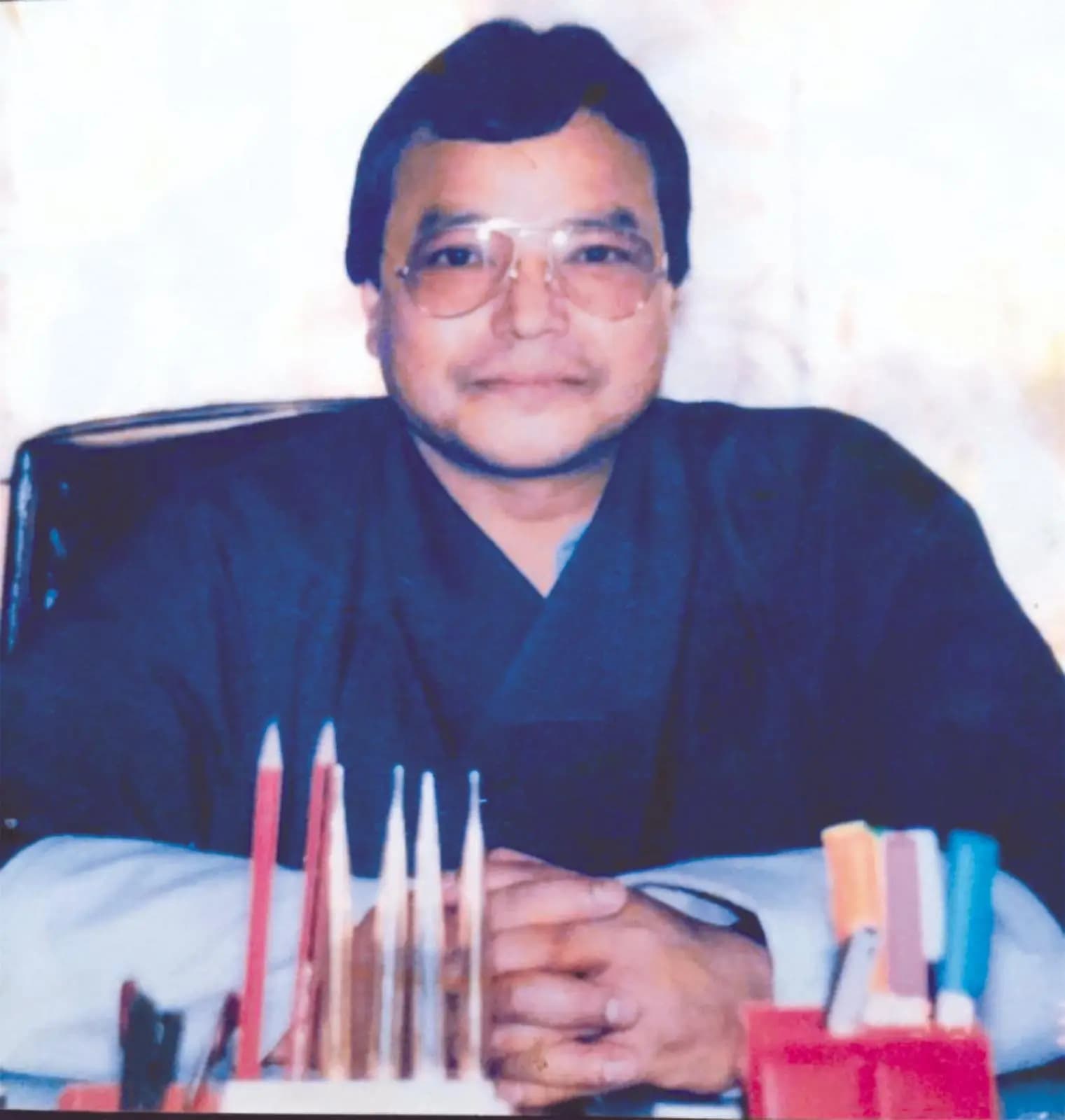
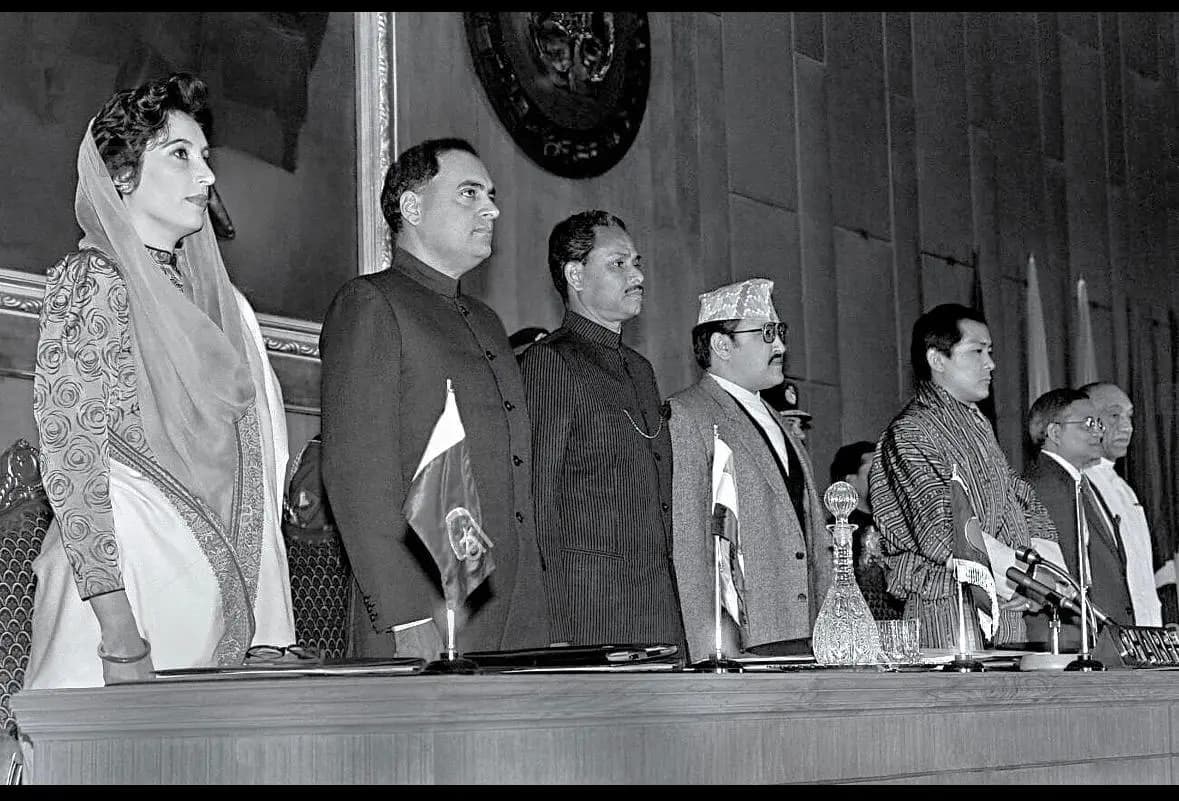
Bhutan and Nepal did not have formal relations until the 1980s, although informal relations existed since ancient times. King Birendra Bikram Shah Dev and King Jigme Singye Wangchuck exchanged state-level visits in connection with SAARC summits. However, bilateral engagement in the true sense began with the Bhutanese refugee exodus to Nepal. Bhutan and Nepal conducted sixteen rounds of bilateral talks since the first meeting between King Jigme Singye Wangchuck and late Prime Minister Girija Prasad Koirala in Dhaka in 1994. The two countries commissioned a Joint Verification Team and verified the status of refugees in all seven camps in Nepal, but repatriation has not yet occurred due to a misunderstanding between the refugee community and members of the Bhutanese verification team in the Khudunabari camps in December 2003. Bhutan and Nepal have not met on the refugee issue since then; the overwhelming majority have been resettled in overseas countries, and only some 7,000 remain residing in camps in Nepal.
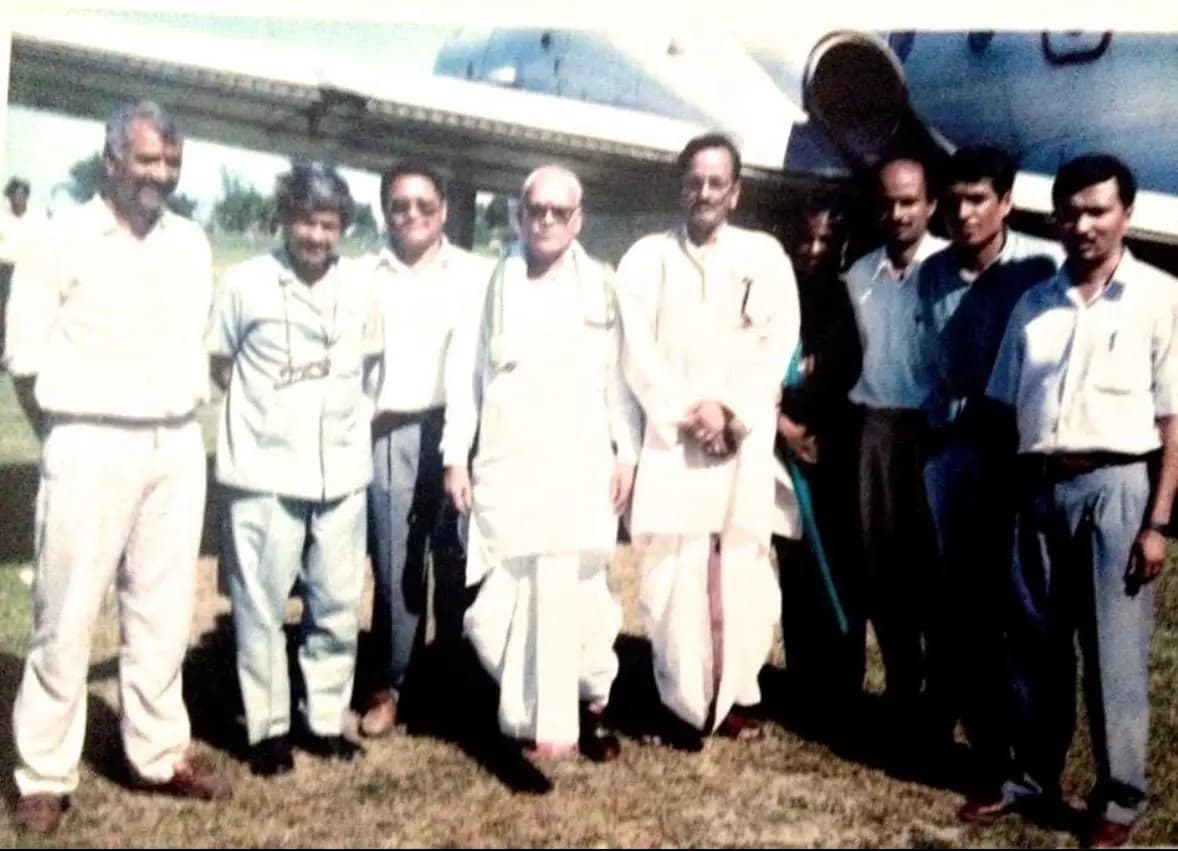
Ms. Robin Raphel, U.S. Assistant Secretary of State for South Asia, was the first foreign dignitary to visit the Bhutanese refugee camps in Nepal in March 1994. This was followed by an informal visit by Sri P. V. Manohar Rao, brother of the Indian Prime Minister Sri P. V. Narasimha Rao. Subsequently, the Government of Nepal organized a number of Kathmandu-based diplomatic visits to the camps, and there were several delegations from UN bodies, the European Union, and the Government of the United States of America. There was no official visit to the camps from India, although it encouraged bilateral engagement between Bhutan and Nepal to resolve the refugee problem. Eventually, the international community, led by the United States of America, decided to resolve the refugee problem in Nepal under a burden-sharing mechanism, with the U.S. absorbing as much as 85% of the resettled population, leaving behind only those who did not qualify or did not seek third-country resettlement. Of the seven camps, Sanischare and Beldangi camps still have Bhutanese refugee populations. Not all of the remaining 7,000 seek repatriation: some wish to rejoin family members in overseas countries, some seek local assimilation, and some prefer repatriation.
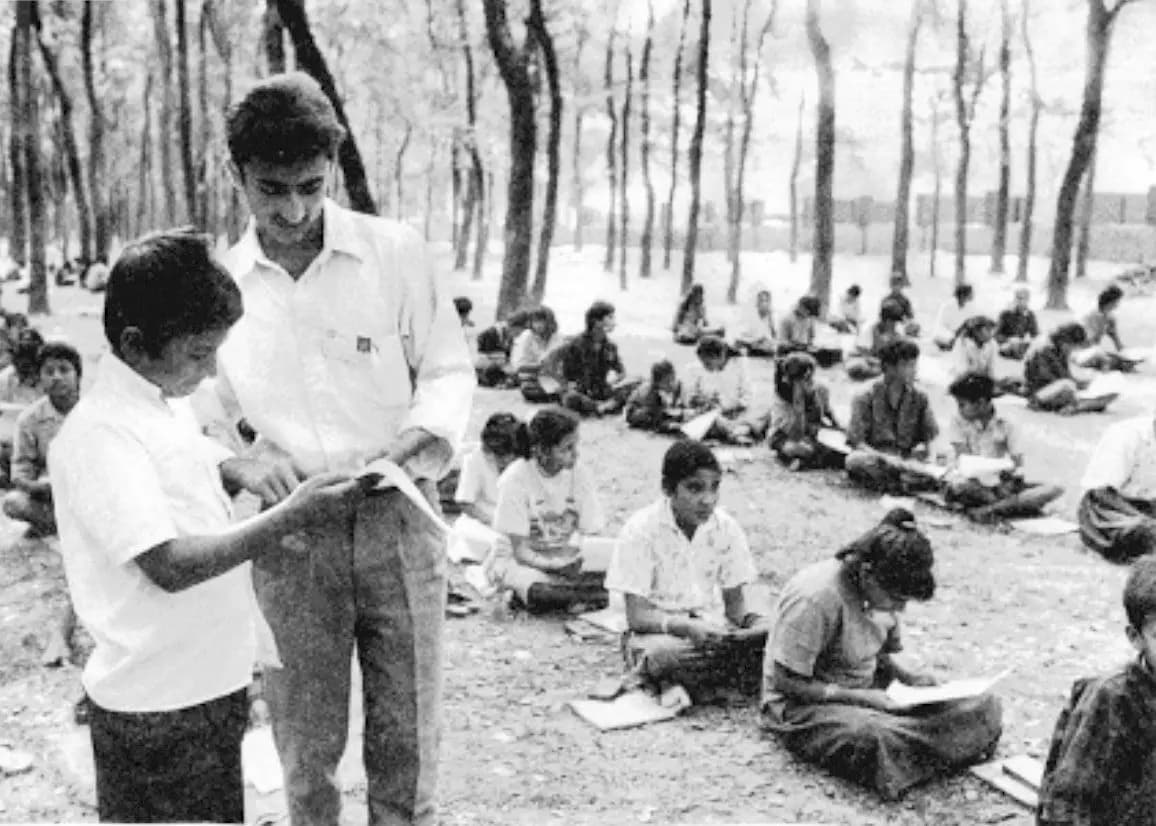
The Bhutanese refugee problem surfaced in Nepal in June 1991. By the end of 1993, there were some 85,000 people registered in seven UNHCR-organized camps in the Jhapa and Morang districts of eastern Nepal. Nepal was not the first country of asylum; the refugees had traveled through stretches of Indian territory, in some cases traveling hundreds of kilometers. Among the refugees were students, teachers, medical paramedics, doctors, and engineers. The refugees themselves evolved a unique management system in collaboration with UN agencies to deliver basic services and remain active during their long stay in the camps, focusing on children's education, sanitation, and engagement in income-generation schemes. Private donors and UN agencies supported refugee groups for advocacy, school education, and income-generation activities, among which Bhutanese Refugee Aiding the Victims of Violence (BRAVVE), Refugee Women Forum (RWF), and Bhutanese Women and Youth Empowerment Program (BWYEP) were adopted for implementing programs among vulnerable refugees. Activities included tailoring, embroidery, typing, ethnic weaving, and computer literacy programs. Today, some resettled refugee groups continue aiding refugees in the camps through primary education programs.
Walls with carved names of martyrs who sacrificed their lives in the struggle for human rights and democracy in Bhutan.
A plaque honoring martyrs of human rights and democracy in Bhutan, recognizing their ultimate sacrifice.
A stone plaque recognizing the historical and cultural relationship between Bhutan and Nepal that spans centuries.
Traditional arts and crafts produced by refugees, including ethnic cloth weaving created during their time in camps.
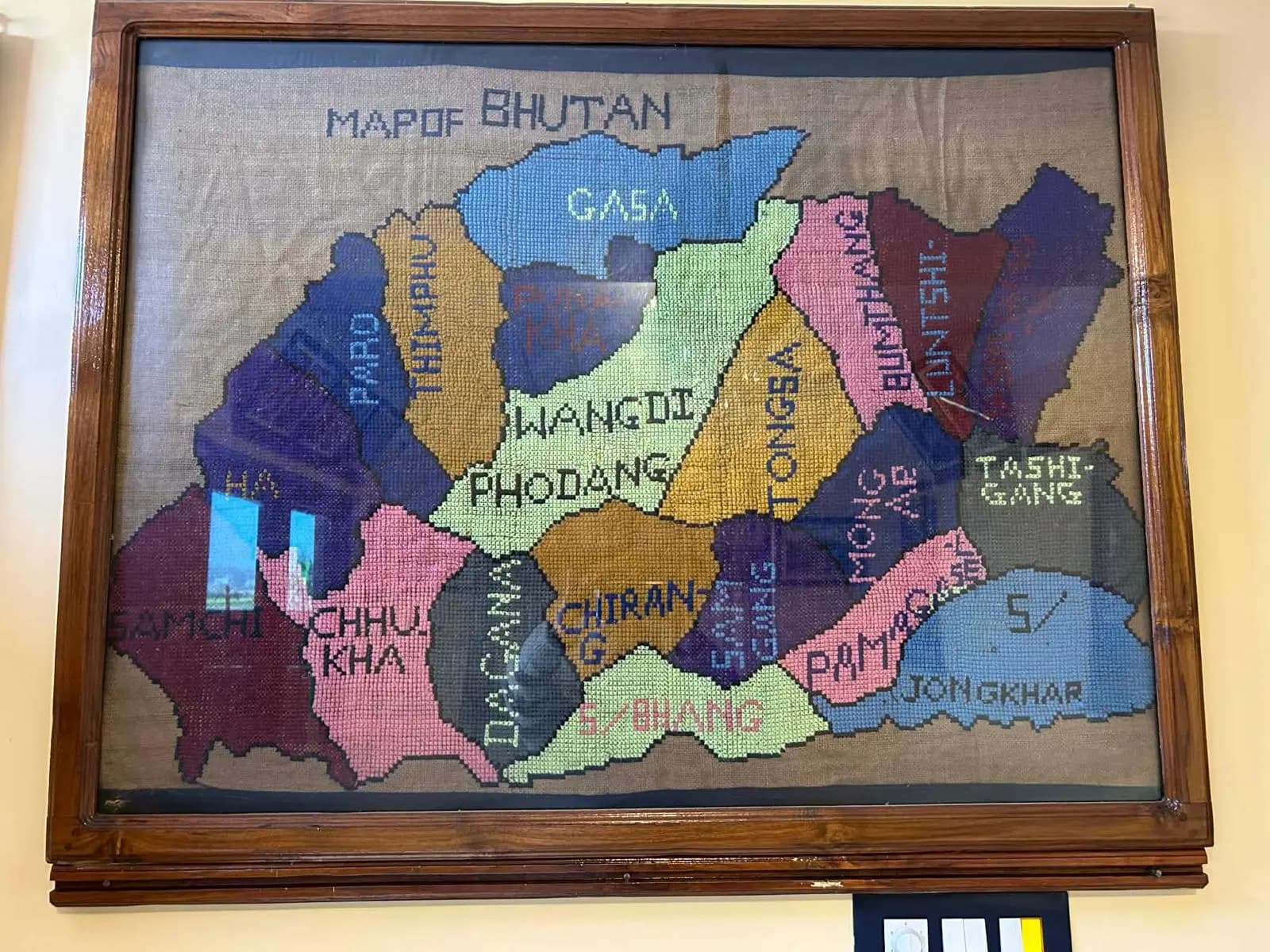
The museum showcases arts and artifacts produced by refugees, particularly the ethnic cloth weaving that became a symbol of cultural preservation during the years in refugee camps in Nepal.
These pieces represent not just artistic skill, but the determination of a community to maintain its cultural identity despite displacement. Each artifact tells a story of resilience and the enduring connection to Bhutanese heritage.
Dhaijan, Mechinagar - 11
Jhapa, Nepal
[email protected]
+977-9843170280
Available by appointment
Group visits welcome

Whether through membership, volunteer work, or supporting our initiatives, your involvement helps us honor the past while building bridges for the future.